What Is Pneumonia in Adults?
Pneumonia in adults is a lung infection that can make breathing hard. It happens when germs, such as bacteria or viruses, get into the lungs. Because the lungs fill with fluid or pus, it becomes tough to breathe. Many adults get pneumonia each year, and it can be serious, especially for older people. According to the Centers for Disease Control and Prevention (CDC), pneumonia can affect anyone, but some adults have a higher risk. For this reason, knowing about adult pneumonia symptoms and risk factors for pneumonia is important.
Common Symptoms of Pneumonia in Adults
Symptoms of pneumonia in adults can start suddenly or develop slowly. Sometimes, they feel like a bad cold or the flu. However, pneumonia often causes more severe problems. For example, you may notice:
Because symptoms can vary, some people may only have mild signs. Yet, others may get very sick quickly. If you notice these adult pneumonia symptoms, pay close attention to how you feel.
Risk Factors for Pneumonia in Adults
Anyone can get pneumonia, but certain things raise your risk. For instance, adults over age 65 are more likely to get very sick. In addition, people with weak immune systems face higher risks. The CDC and World Health Organization (WHO) list these common risk factors for pneumonia:
Because these factors make pneumonia more likely, it is wise to know your risks. Even healthy adults can get pneumonia, but those with risk factors should be extra careful.
How Pneumonia Is Diagnosed
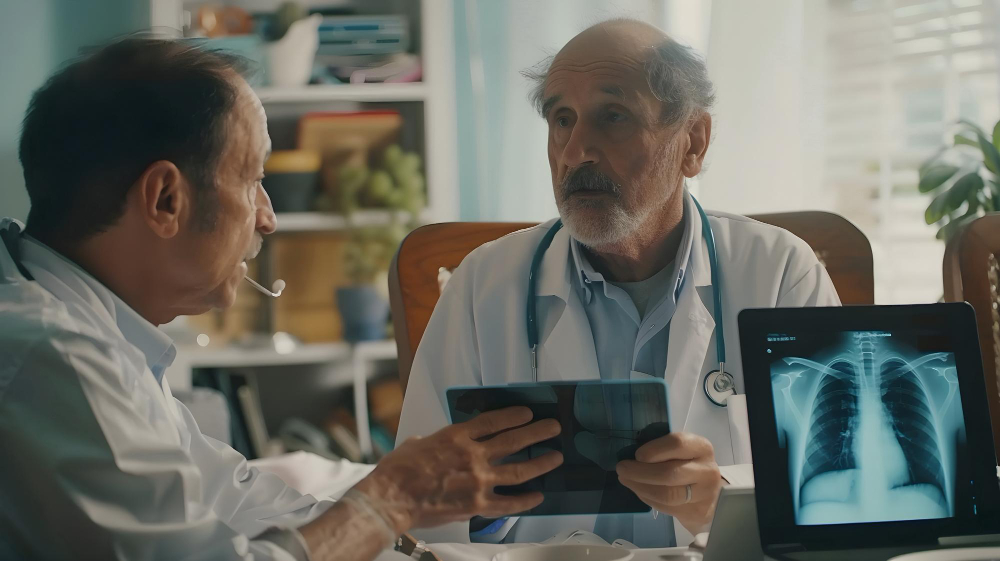
Doctors use several steps to diagnose pneumonia in adults. First, they ask about your symptoms and listen to your chest with a stethoscope. Often, they hear crackling or bubbling sounds in the lungs. Next, a chest X-ray helps show if there is an infection. Sometimes, doctors order blood tests or test your mucus. These tests help find out what type of germ is causing the problem. Because early diagnosis helps with treatment, it is important to see a doctor if you feel very sick.
When to See a Doctor for Pneumonia
It is important to know when to seek medical help for pneumonia. If you have a cough, fever, or trouble breathing that does not get better, see a doctor. In addition, seek help right away if you notice:
Because pneumonia can get worse quickly, early treatment is best. The CDC says that people with risk factors should not wait to get care. Even if you are unsure, it is safer to ask your doctor.
Prevention Tips for Pneumonia in Adults
There are steps you can take to lower your risk of pneumonia. For example, getting a flu shot every year helps prevent some types of pneumonia. Also, the CDC recommends a pneumonia vaccine for adults over 65 or those with certain health problems. Other helpful tips include:
Because prevention is easier than treatment, following these tips can help keep you healthy. For more details, visit trusted sources like the CDC or WHO.
Conclusion
If you have symptoms or concerns about pneumonia, do not wait. Book a consultation with Dr. Koustav Kumar Roy to get the right care and answers for your health.