Air pollution and your lungs are closely linked. Every day, the air you breathe can affect your health. When air quality drops, tiny particles and gases can enter your lungs. As a result, you may notice breathing problems or other symptoms. Because air pollution is common in many cities, it is important to know how to protect your lungs from air pollution. In this blog, you will learn about air quality and respiratory health, common symptoms, and how to stay safe during poor air quality days.
What Is Air Pollution?
Air pollution happens when harmful substances fill the air. These can come from cars, factories, wildfires, or even dust storms. For example, smoke and chemicals can mix with the air you breathe. In many places, air pollution is a daily problem. Even so, you may not always see or smell it.
According to the World Health Organization (WHO), air pollution is a major risk to health worldwide.
How Air Pollution Affects Your Lungs
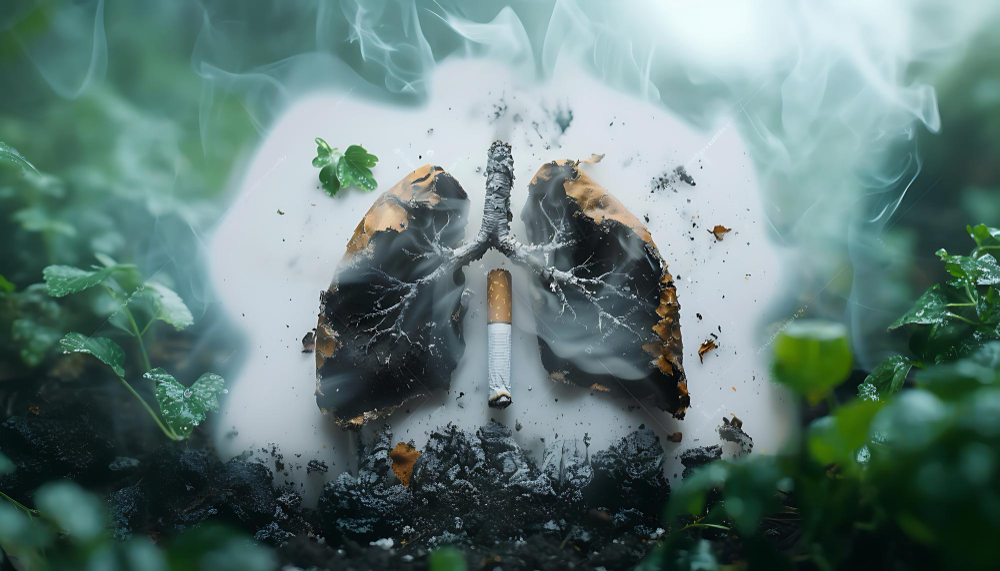
When you breathe in polluted air, harmful particles can reach deep into your lungs. Over time, this can cause damage. For instance, your airways may become irritated or swollen. Because your lungs work hard to filter the air, they are the first to feel the effects. In some cases, air pollution can make breathing harder, especially for people with asthma or other lung problems.
Studies from the CDC show that air quality and respiratory health are closely connected.
Common Symptoms of Lung Problems from Air Pollution
When air quality drops, you might notice new or worsening symptoms. Not everyone feels the same effects. However, some signs are more common than others. If you notice these symptoms, it may be due to air pollution:
Because symptoms can be mild or severe, it is important to pay attention to how you feel during poor air quality days.
Who Is Most at Risk?
Some people are more likely to have problems from air pollution. For example, children and older adults have lungs that are more sensitive. People with asthma, COPD, or heart disease are also at higher risk. Even healthy people can feel the effects if air quality is very poor.
Therefore, it is important for these groups to take extra care during high pollution days.
How to Check Air Quality Levels
Before you go outside, it helps to know the air quality. Many cities share daily air quality updates. You can use your phone or computer to check these levels. Because air quality can change fast, it is good to check often.
When the AQI is high, you may need to take steps to protect your lungs from air pollution.
Tips to Protect Your Lungs When Air Quality Drops
When air pollution is high, you can take steps to keep your lungs safe. Even small changes can help reduce your risk. For example, staying indoors can limit your exposure to harmful particles.
Because these steps can lower your risk, they are useful for everyone, especially those with sensitive lungs.
Long-Term Prevention and Healthy Habits
While you cannot control the air outside, you can build healthy habits to protect your lungs over time. For instance, keeping your home clean helps reduce indoor air pollution. Also, making healthy choices supports strong lungs.
Because these habits support your overall health, they also help your lungs stay strong.
When to Seek Medical Help
Sometimes, air pollution symptoms can become serious. If you notice trouble breathing, chest pain, or severe coughing, you should get medical help right away. For people with asthma or other lung problems, worsening symptoms may need quick treatment.
Because early care can prevent serious problems, do not wait if you feel very unwell during poor air quality days.