
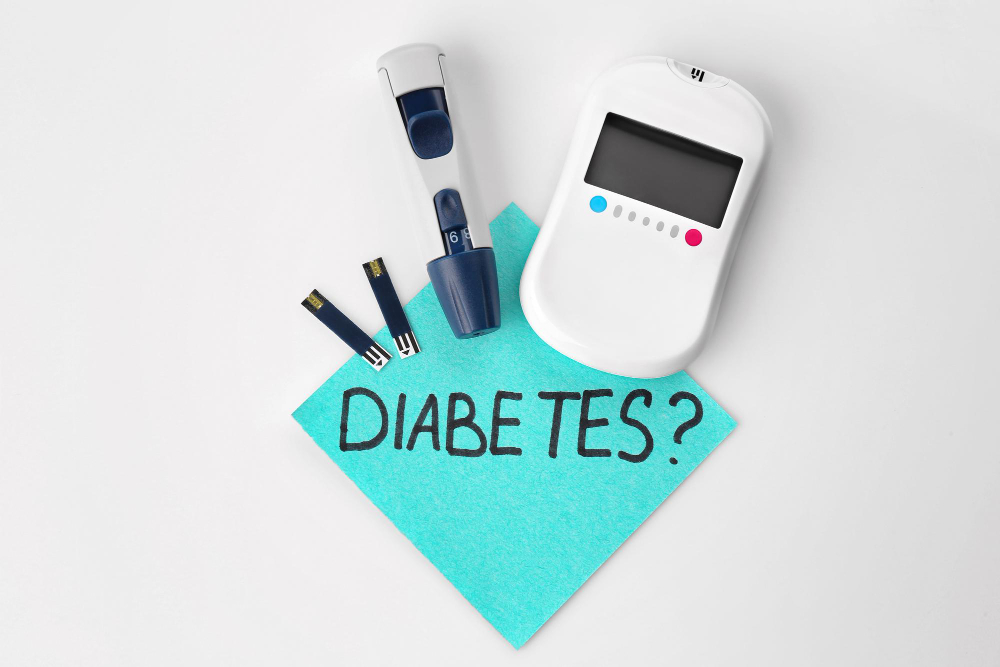
What is Type 2 Diabetes?
Type 2 Diabetes is a long-term health condition. It affects how your body uses sugar, also called glucose. In this condition, your body either does not make enough insulin or cannot use it well. Insulin is a hormone that helps sugar enter your cells for energy. Because of this, sugar builds up in your blood. Over time, high blood sugar can harm your heart, eyes, kidneys, and nerves. According to the CDC, Type 2 Diabetes is the most common form of diabetes worldwide.
Common Symptoms of Type 2 Diabetes
Many people with Type 2 Diabetes may not notice symptoms at first. However, some signs can appear slowly. For example, you may feel tired more often. Or, you might notice you are thirsty all the time. Below are common symptoms:
If you notice any of these symptoms, it is important to talk to your doctor. Early diagnosis can help prevent serious problems.
Major Causes and Risk Factors
Type 2 Diabetes develops when your body cannot use insulin well. This is called insulin resistance. Over time, your pancreas cannot keep up and blood sugar rises. Several factors can increase your risk. For instance, being overweight or inactive can raise your chances. Other risk factors include:
Although you cannot change some risk factors, you can lower your risk by making healthy choices.
How is Type 2 Diabetes Diagnosed?
Doctors use simple blood tests to check for Type 2 Diabetes. First, they may order a fasting blood sugar test. This test checks your blood sugar after you have not eaten for at least eight hours. Another test is the A1C test, which shows your average blood sugar over the past three months. Sometimes, a doctor may use an oral glucose tolerance test. In this test, you drink a sweet liquid, and your blood sugar is checked over a few hours. If your results are high, your doctor may repeat the tests to confirm the diagnosis.
Treatment and Management Options
Managing Type 2 Diabetes is important for your health. Treatment often starts with lifestyle changes. For example, eating healthy foods and staying active can help control blood sugar. Sometimes, you may need medicine or insulin. Your doctor will decide what is best for you. Common treatment options include:
With the right plan, many people can manage Type 2 Diabetes well. According to the American Diabetes Association, regular check-ups are key to staying healthy.
Lifestyle Tips for Living with Type 2 Diabetes
Living with Type 2 Diabetes can feel challenging. However, small changes can make a big difference. Here are some helpful tips:
In addition, joining a support group can help you stay motivated. Always talk to your healthcare team if you have questions.
Prevention Strategies
Although Type 2 Diabetes is common, you can take steps to lower your risk. For instance, eating a balanced diet and staying active are very helpful. Here are some prevention tips:
Even small changes can help prevent Type 2 Diabetes. The World Health Organization recommends regular exercise and healthy eating for everyone.
In summary, understanding Type 2 Diabetes is the first step to better health. If you have concerns or symptoms, consult Dr. Koustav Kumar Roy for personalized advice on managing Type 2 Diabetes.